
Pay Per Click Faqs
Frequently Asked Questions About Everything
We Do Websites
Frequently Asked Questions
Jump to…
Search Adverts
A landing page in PPC is the web page users are taken to after clicking on your ad. It’s essential for converting visitors into customers. A landing page in PPC is a dedicated web page that users are directed to after clicking on your Pay-Per-Click ad. It’s a critical component in digital marketing, especially in PPC campaigns, because it serves as the next step in the customer journey after they have shown interest by clicking on your ad. The primary goal of a landing page is to convert visitors into leads or customers by encouraging them to take a specific action, such as making a purchase, signing up for a newsletter, or filling out a contact form. While the ad is responsible for attracting attention and generating clicks, the landing page plays a crucial role in guiding users toward completing the desired conversion. An effective landing page should be highly relevant to the ad and deliver on the promise made in the ad copy. Why Are Landing Pages Important in PPC? Landing pages are important for several reasons, all of which can directly impact the success of your PPC campaigns. Conversion Optimisation: The main purpose of a landing page is to convert visitors into customers or leads. While the ad attracts visitors, it is the landing page that ultimately convinces them to take action. This action could be anything from purchasing a product, downloading a resource, or filling out a form. A well-designed landing page with a clear, compelling call to action (CTA) increases the likelihood of conversions. Relevance and User Experience: Landing pages should be closely aligned with the message in your ad. When users click on an ad, they have certain expectations based on what the ad promised. If the landing page delivers content or offers that are inconsistent with the ad, it can lead to a poor user experience and increase your bounce rate. On the other hand, if the landing page is relevant and fulfils the expectations set by the ad, users are more likely to stay, engage, and complete the conversion. Quality Score and Ad Performance: In platforms like Google Ads, the relevance and quality of your landing page directly impact your Quality Score—a metric used by Google to evaluate the overall quality of your PPC campaigns. A higher Quality Score can lead to better ad placements and lower Cost-Per-Click (CPC), which makes your campaigns more cost-effective. A well-optimised landing page with fast load times, relevant content, and a user-friendly design contributes to improving your Quality Score. Targeting Specific Audiences: Unlike a general website page, a landing page is designed to focus on a single objective or target a specific audience. This allows you to tailor the page to address the specific needs, pain points, or desires of your target audience. For example, if you’re running a PPC campaign for a new product launch, your landing page should highlight the product’s benefits and features and make it easy for visitors to purchase or learn more. Key Elements of an Effective Landing Page To ensure that your landing page converts as many visitors as possible, it should include several key elements that work together to create a seamless user experience: Clear and Compelling Headline: The headline is often the first thing users see when they arrive on your landing page, so it needs to grab their attention immediately. It should clearly communicate the value of your offer or the solution your product/service provides. A strong headline directly ties into the messaging of your ad, reinforcing the reason why the user clicked in the first place. Relevant Content: The content on your landing page should be concise, relevant, and aligned with the ad copy. It should clearly describe what you’re offering and how it benefits the user. Avoid overwhelming visitors with too much information or irrelevant details—focus on what will drive the conversion. Call to Action (CTA): Every landing page needs a clear and prominent call to action. Whether it’s “Buy Now,” “Sign Up Today,” or “Get a Free Quote,” the CTA should be easy to find and action-oriented. The CTA should be designed in a way that draws attention—often using a contrasting button colour or placement that makes it stand out on the page. Visual Elements: Images, videos, and other visual elements can help make your landing page more engaging and appealing. For example, product images or demo videos can give users a better understanding of your offering. Ensure that visuals are high-quality and relevant to the product or service you’re promoting. Mobile Optimisation: With an increasing number of users accessing the internet via mobile devices, it’s crucial that your landing page is mobile-friendly. A mobile-optimised landing page ensures that your page loads quickly, is easy to navigate, and looks good on smaller screens. A responsive design that adjusts to different screen sizes will help you capture leads from mobile users and avoid losing potential customers due to poor mobile usability. Trust Indicators: Building trust is essential for converting visitors into customers. Including elements like customer testimonials, reviews, trust badges, or security certifications can help build credibility and reassure users that your product or service is legitimate and trustworthy. Trust indicators can play a crucial role, especially if you’re asking visitors to provide personal information or make a purchase. How to Optimise Landing Pages for Better PPC Performance Optimising your landing pages is an ongoing process that involves regularly testing and refining different elements to improve conversion rates. Some strategies to optimise your landing page include: A/B Testing: Regularly run A/B tests on key elements of your landing page, such as headlines, CTAs, imagery, and form lengths. This allows you to determine what resonates best with your audience and leads to higher conversions. Speed and Performance: A slow-loading page can drive users away before they even see your offer. Make sure your landing page is optimised for fast loading times by minimising heavy images, reducing code bloat, and using a reliable hosting provider. Reduce Distractions: Keep the design and content of your landing page simple and focused. Avoid unnecessary navigation links or distractions that might pull the user away from the intended action. The goal is to guide them toward the CTA as quickly and seamlessly as possible. In conclusion, a landing page is a critical element in any successful PPC campaign, as it serves as the bridge between the ad and the desired conversion. A well-designed, relevant, and optimised landing page can significantly improve conversion rates, enhance user experience, and boost the overall performance of your PPC efforts. By focusing on clarity, relevance, and user experience, you can ensure that your landing pages effectively turn visitors into leads or customers. For more information on a Landing Page In PPC contact Click Return. Our Digital Marketing Services Pay Per Click AdvertisingSearch Engine OptimisationSocial Media Advertising Results from PPC can be seen almost immediately after a campaign goes live, but optimising for the best performance may take a few weeks of data gathering and adjustments. To improve PPC Campaign ROI, you can focus on optimising your ads, targeting the right audience, refining your keywords, and improving your landing pages to increase conversions. PPC performance can be tracked using analytics tools like Google Analytics or platform-specific dashboards that track metrics like clicks, impressions, CTR, conversions, and ROI. Negative keywords prevent your ad from showing for irrelevant searches. This helps you avoid paying for clicks that won’t convert. CTR is the ratio of clicks to impressions, showing how often people click on your ad after seeing it. A high CTR indicates that your ad is relevant and engaging. Keyword research involves identifying the terms and phrases people use in search engines when looking for information related to your business. By targeting the right keywords, you can attract relevant traffic to your site. Tools like Google Keyword Planner, Ahrefs, and SEMrush are commonly used for this process. PPC (Pay-Per-Click) is a digital advertising model where advertisers pay a fee each time their ad is clicked. Essentially, you're buying visits to your website, rather than earning them organically. Google Ads and Facebook Ads are popular PPC platforms. PPC works by bidding on specific keywords or target demographics. When users search for those keywords or match your target criteria, your ad may appear. If the user clicks on the ad, you pay a set amount based on your bid and the competition for that keyword. PPC costs vary based on several factors like the platform, industry, competition for keywords, and targeting options. On average, Google Ads can cost anywhere from a few cents to several dollars per click, depending on how competitive the keyword is. Quality Score is a metric used by Google to rate the quality and relevance of your ads, keywords, and landing pages. Higher Quality Scores can lead to lower CPCs and better ad positioning. Ad relevance measures how closely your ad matches the search intent of users and how relevant it is to the keywords you're targeting. A conversion is a desired action taken by a user after clicking an ad, such as making a purchase, signing up for a newsletter, or filling out a contact form. Absolutely. We can geo target your ads by country, city, or even a specific radius, and run them during business hours or peak conversion times. SEO is about earning organic rankings, which takes time. Search Ads put you at the top instantly, and are ideal for generating leads while SEO builds. Many clients begin receiving enquiries within the first few days of going live. Performance improves over time with ongoing optimisation.
Remarketing
Programmatic advertising uses automated software to buy digital ads in real time. It relies on data and algorithms to target specific audiences more effectively, optimising ad placements and budgets. Remarketing involves showing targeted ads to users who have previously visited your website but did not complete an action, like a purchase. It helps re-engage potential customers and increase conversion rates. No. While ecommerce businesses can use dynamic remarketing with product feeds, service based businesses can run equally effective campaigns using page visits, events, or lead form abandonments. Remarketing focuses on people who’ve already engaged with your site or brand, making them far more likely to convert than cold audiences. Not when done properly. We cap frequency, segment audiences, and write relevant, helpful messaging, not spammy ads. Yes. Even with modest website traffic, we can build audiences that help you re-engage your warmest leads.
Display Adverts
Programmatic advertising uses automated software to buy digital ads in real time. It relies on data and algorithms to target specific audiences more effectively, optimising ad placements and budgets. Yes, we use manual placement, topic, and audience controls to guide where your ads show and block irrelevant or unsafe sites. Social ads appear on platforms like Facebook or Instagram. Display Ads reach a broader network of sites, apps, and video platforms across the internet through Google. We can work with your existing logo, images, and messaging, or create everything from scratch for you. All we need is your input on goals, brand, and offer. Both. While Display Ads are excellent for awareness, they also support direct conversions when used with remarketing or audience targeting layers.
The Frustrations Holding Your Business Back
Feeling Invisible Online
You’ve built a great business but when potential customers search online, they find your competitors instead of you. Whether you’ve tried marketing before and just wasted money, or you’re not sure where to start, watching others get the customers that should be yours is frustrating.
Uncertainty About Where to Begin
Online marketing is very complex and can feel overwhelming. There are so many platforms, strategies, and conflicting advice that it’s hard to know what’s right for your business. This uncertainty causes inaction or low commitment that rarely delivering the desired results.
Wasting Money on poor Marketing
For those who have tried marketing before, there’s nothing more discouraging than investing your money into campaigns that doesn’t bring any customers. Each disappointing result makes it harder to justify trying again, even though you know online visibility is essential for growth.
Now Imagine These Achievable Goals For Your Business

Being Found When Customers Are Looking
Imagine customers finding your business when they need your service. They search for services like yours, and there you are, at the top of Google, not buried on page ten. This is as simple as connecting with the customers when they need you.
Growing at a Pace That Works for You
Picture your business growing steadily, with a consistent flow of new customers at a pace you can manage. You control your marketing so you can stop overwhelming surges or disappointing droughts. Just predictable results that align with your growth targets.
Feeling Confident in Your Marketing Decisions
Envision running your business with the peace of mind that comes from knowing your marketing is working. No wondering if you’re wasting money. Instead, you get clear reports showing what’s working, what isn’t. We’ll even meet with you regularly to explain the results and together find the richest seams of gold within your marketing.
Our Digital Marketing Services
Strategic digital marketing services that deliver real results for small businesses. Each option below is designed to increase your visibility where it matters most and turn that visibility into growth for your business.
Web Design
Responsive wordpress website design that will look great and are easy for customers to navigate.
SEO
It’s not rocket science to rank high on Google organically. It just takes time & effort to insert the right words in the right places the right number of times, while making your SEO content read naturally.
Paid Marketing
Google ads allows you to instantly buy new traffic. We ensure that you are buying the right customers for the right price so you can make achieve your goals.
Tracking & Web Analytics
Google ads allows you to quickly buy new customers. The challenge is buying the right customers for the right price so you can still make a profit.
Social Media
Grow your brands awareness organically while building on your brands trust with social media will help deliver a higher return from all your marketing channels.
Here’s Your Clear Path to Growth
1.
It Starts with A Chat About Your Business
We start by listening to you. In a free, no pressure consultation, we’ll learn about your business, your customers, and your growth goals. This helps us understand exactly what you need – whether you’re new to marketing or have tried it before.

2.
Get a Simple, Practical Marketing Plan
Based on our conversation, we’ll create a straightforward marketing plan that makes sense for your business size and goals. We’ll explain everything in plain language, so you’ll know exactly what we’re doing and why it matters for your growth.

3.
Watch Your Business Grow
As your plan takes effect, you’ll start seeing more website visitors, more inquiries, and most importantly, more customers. We’ll provide regular, easy-to-understand reports so you can see exactly how your investment is paying off.
Ready for More Leads.
More Sales. Less Stress?
Struggling to get consistent enquiries? We’ve helped businesses just like yours drive more traffic, leads, and sales.
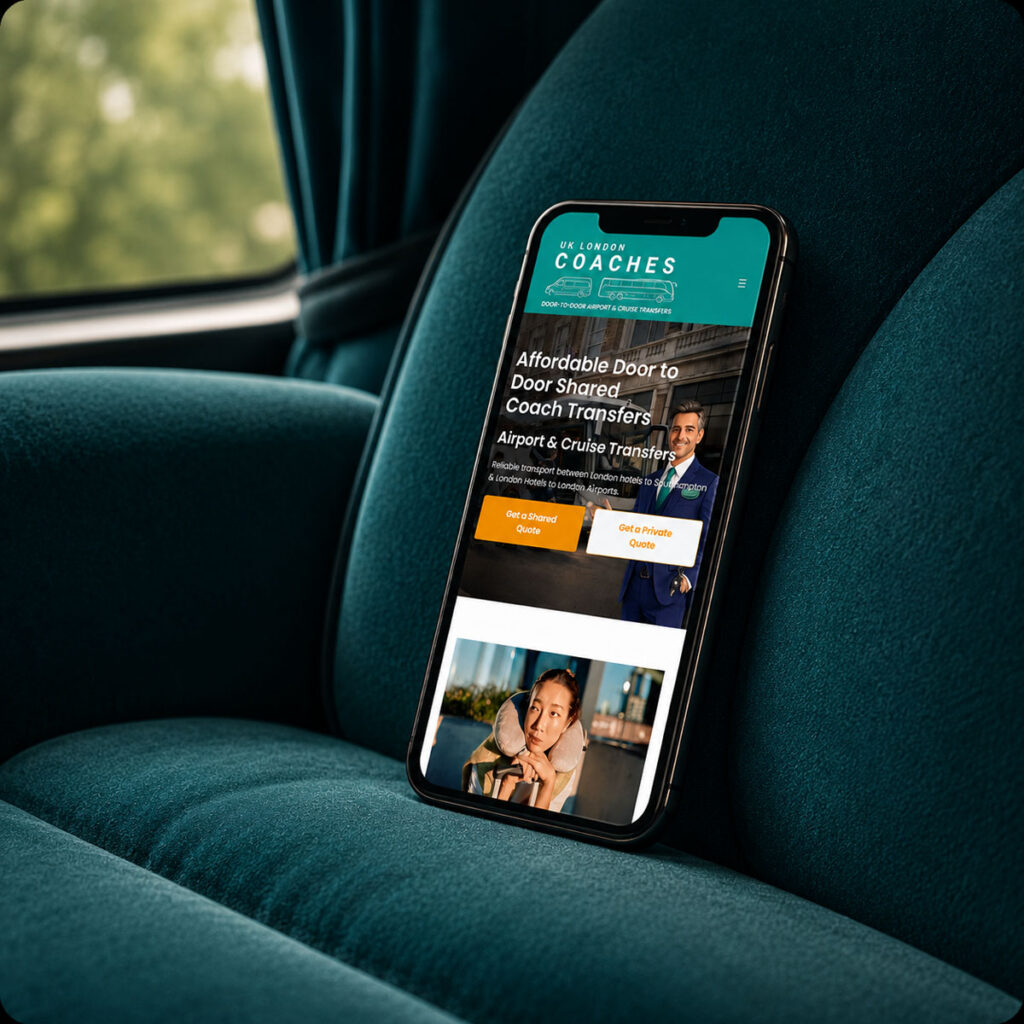
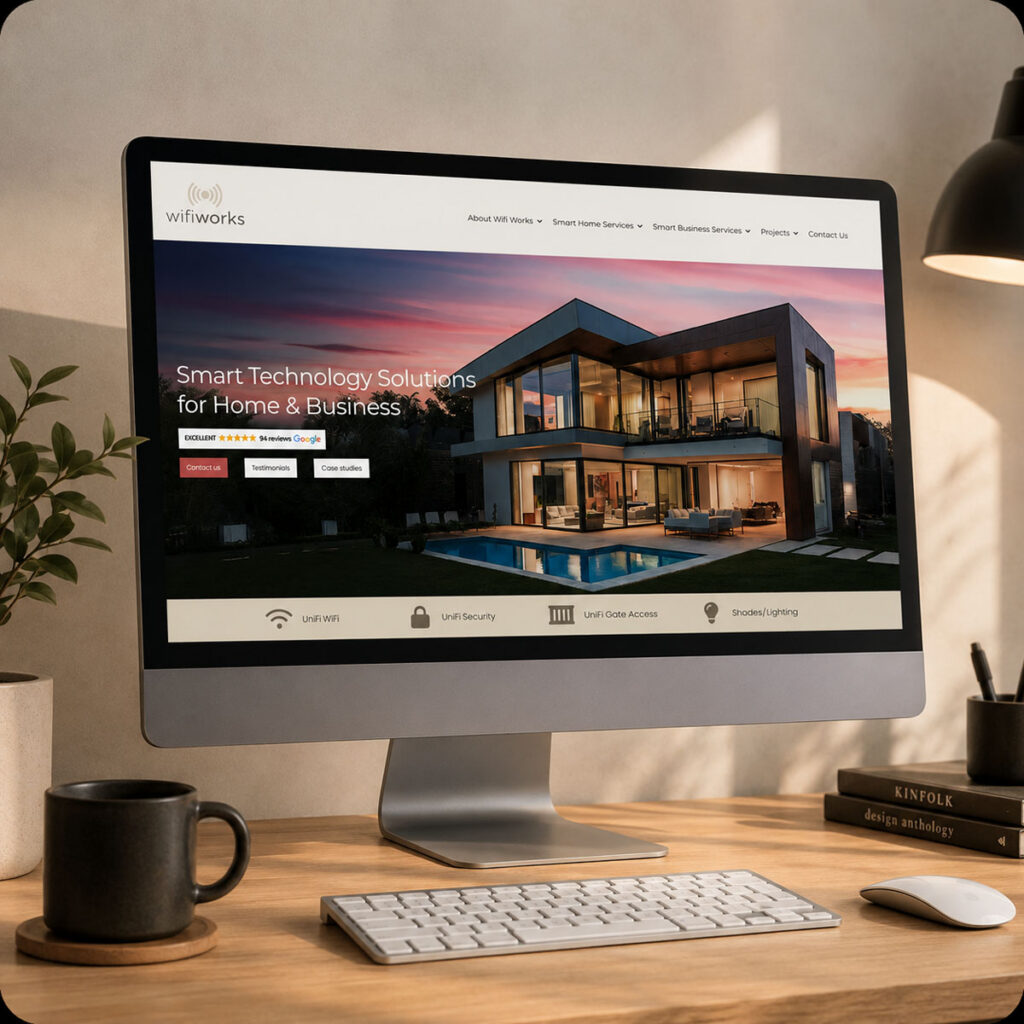
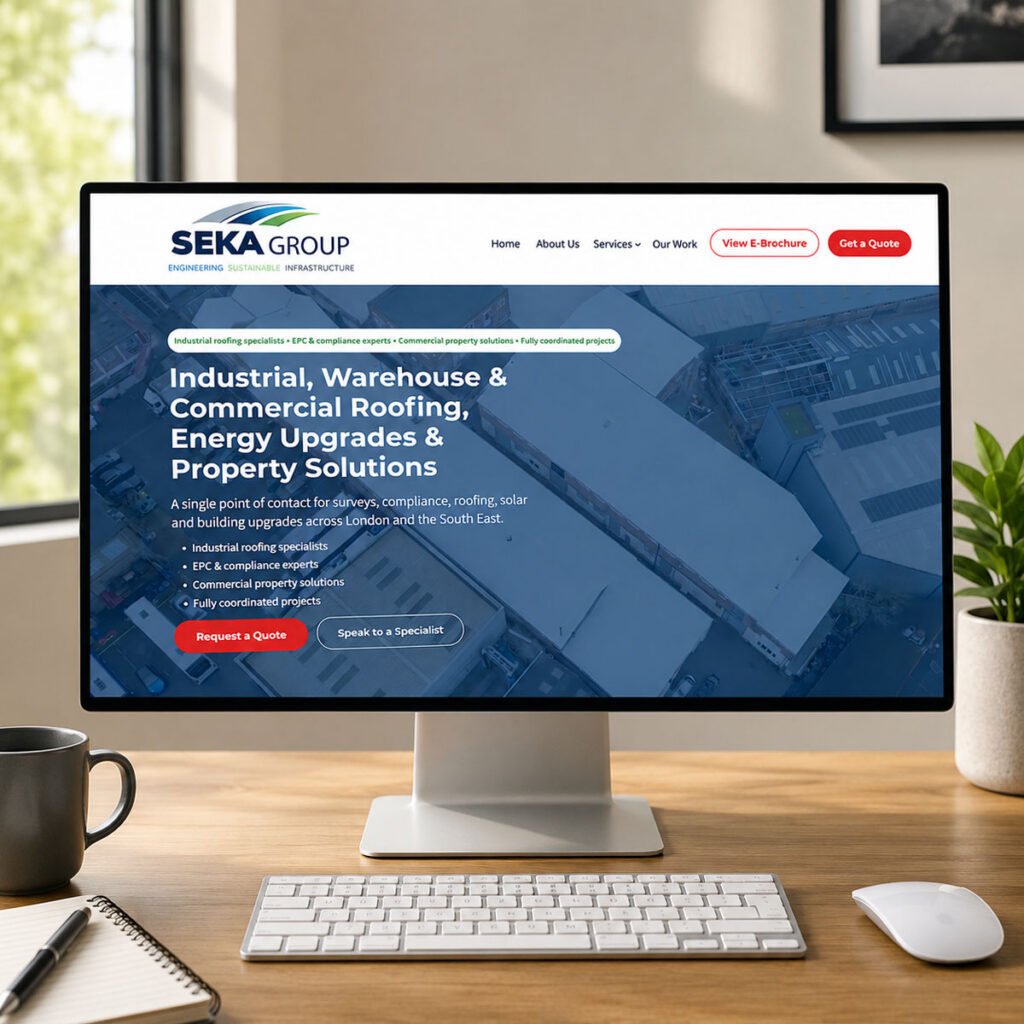
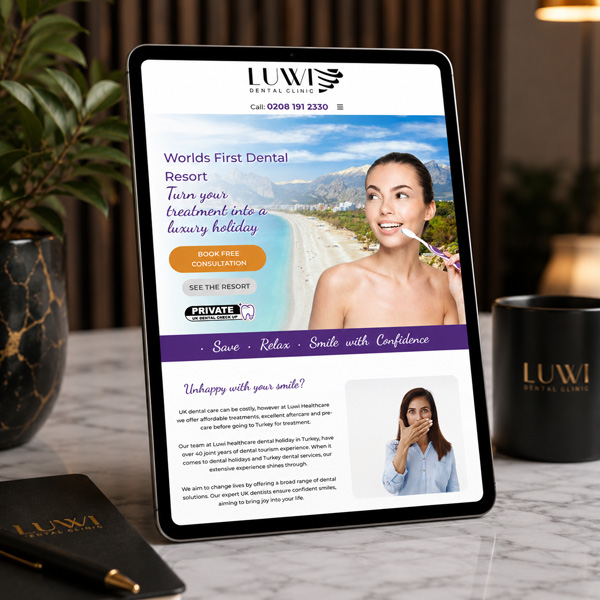
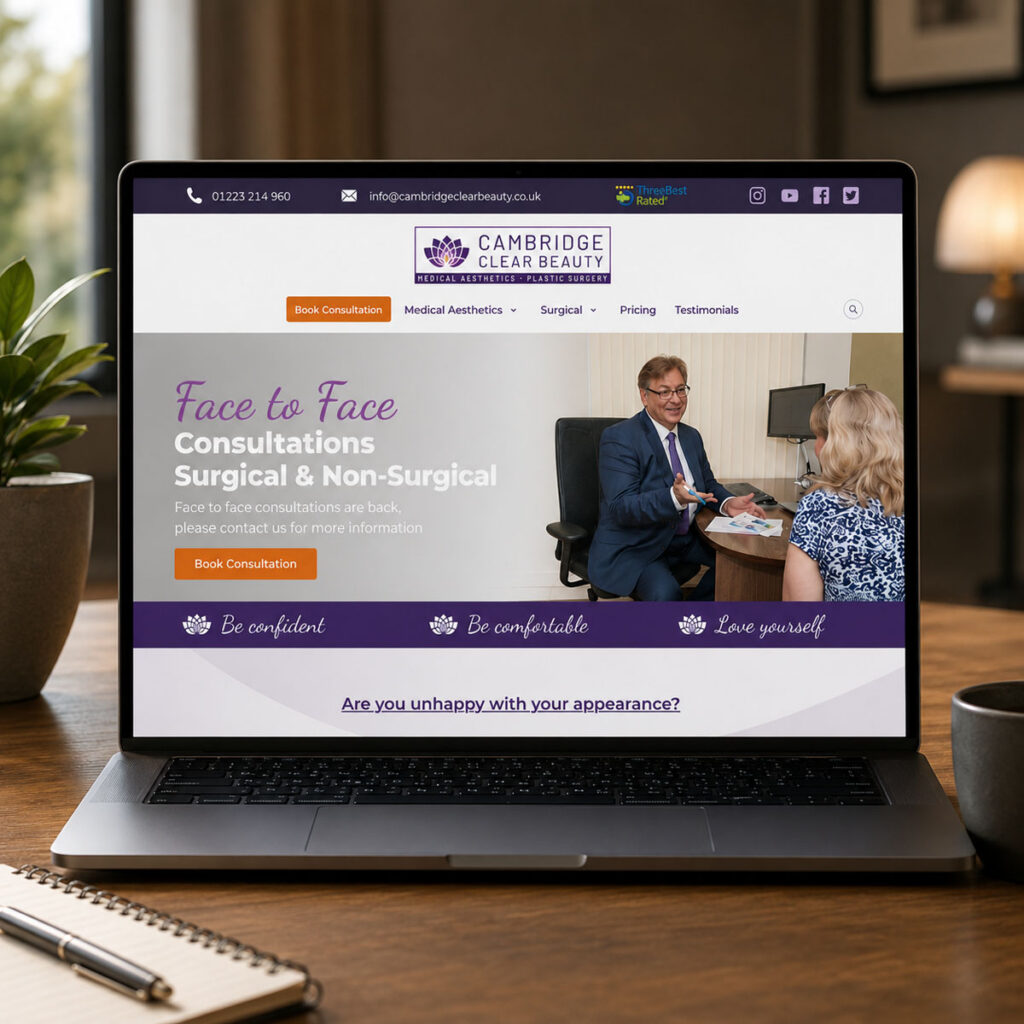
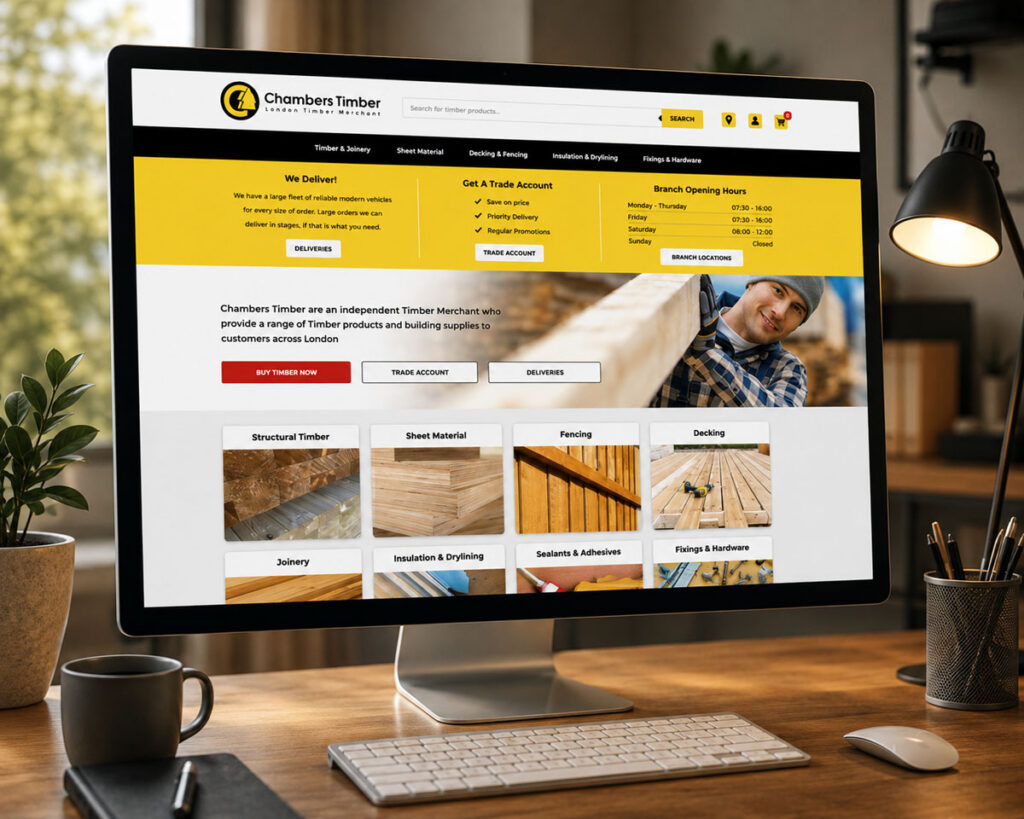
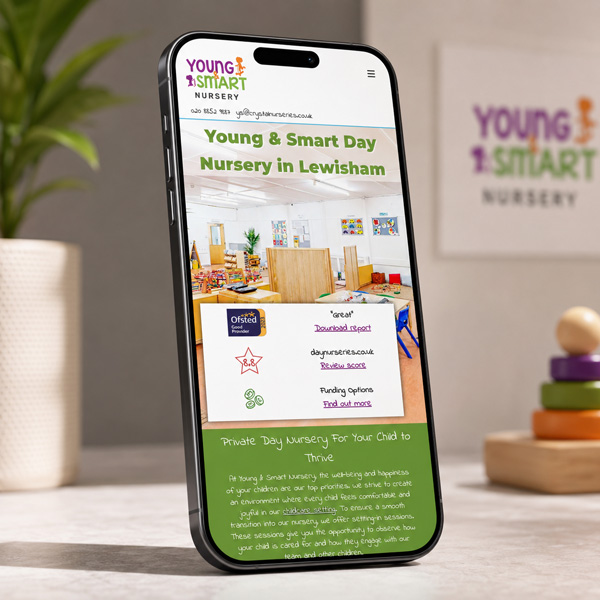
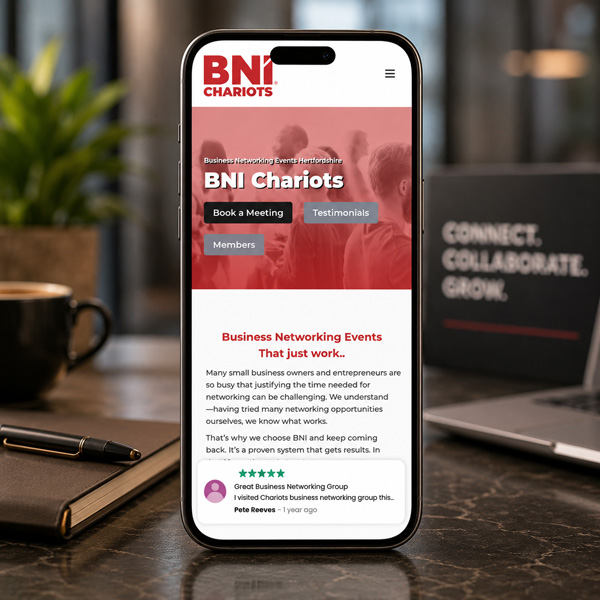
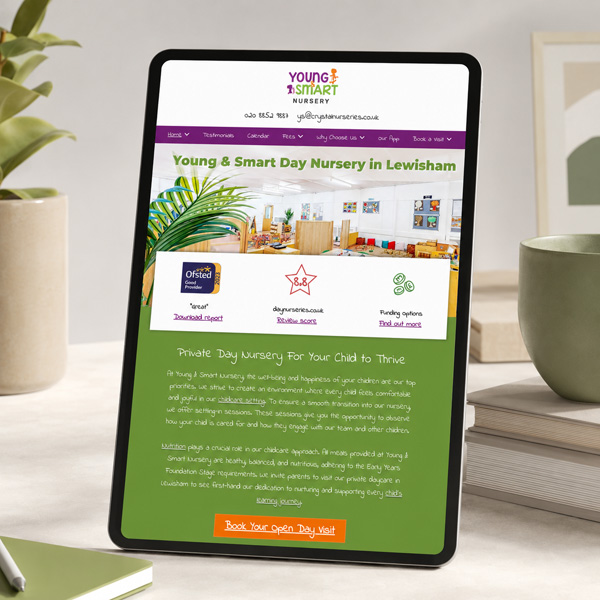
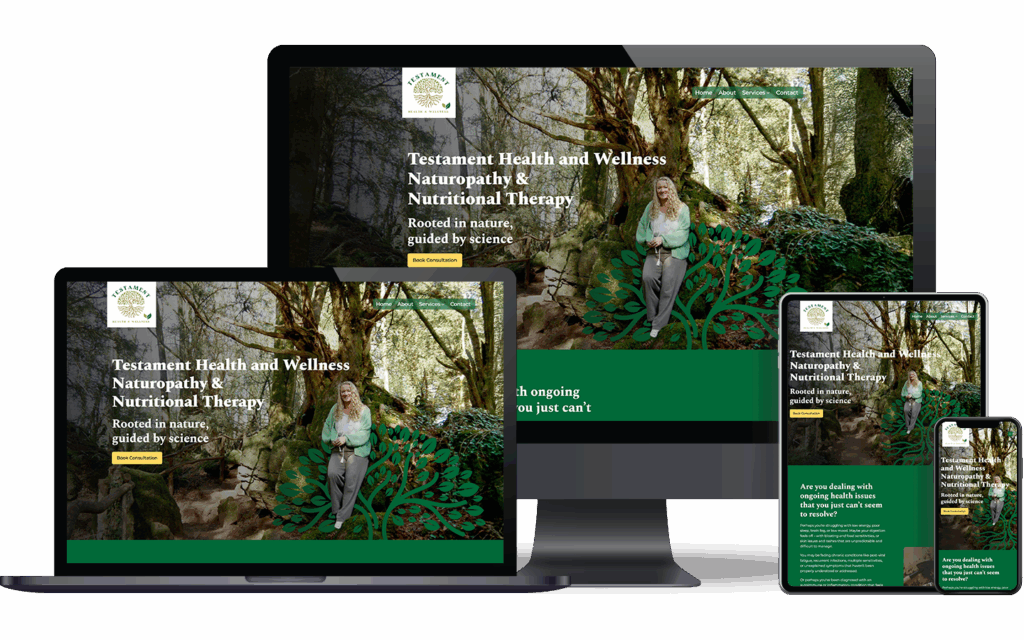
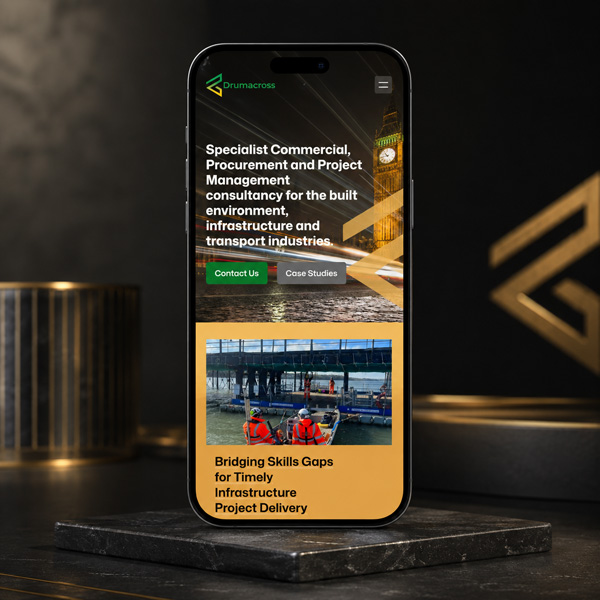
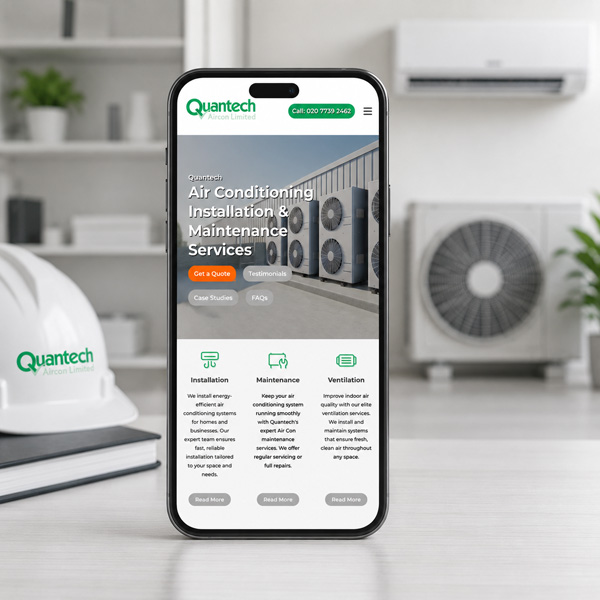
Case Studies




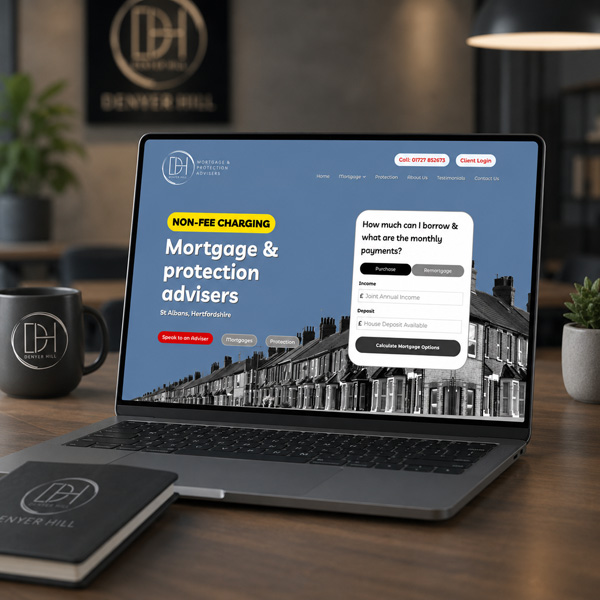
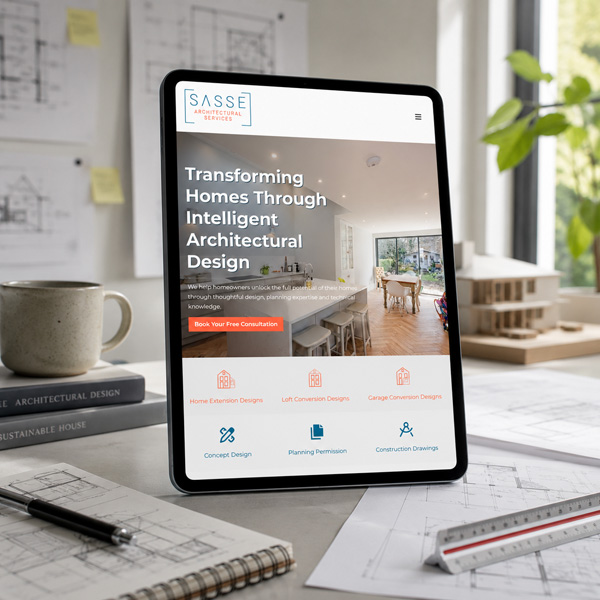
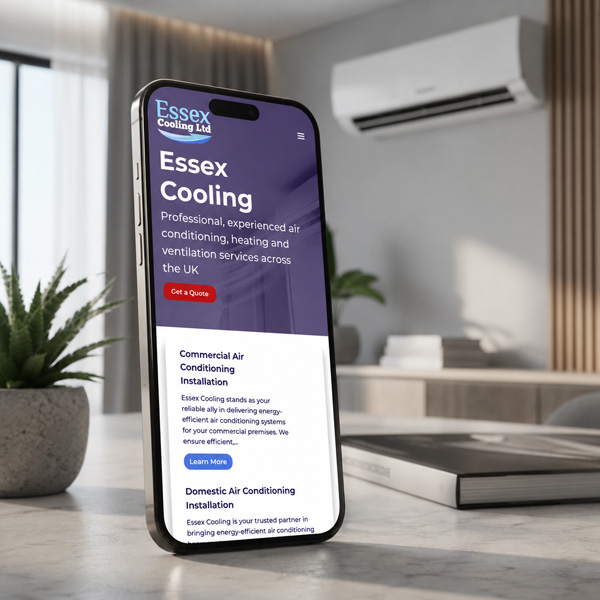
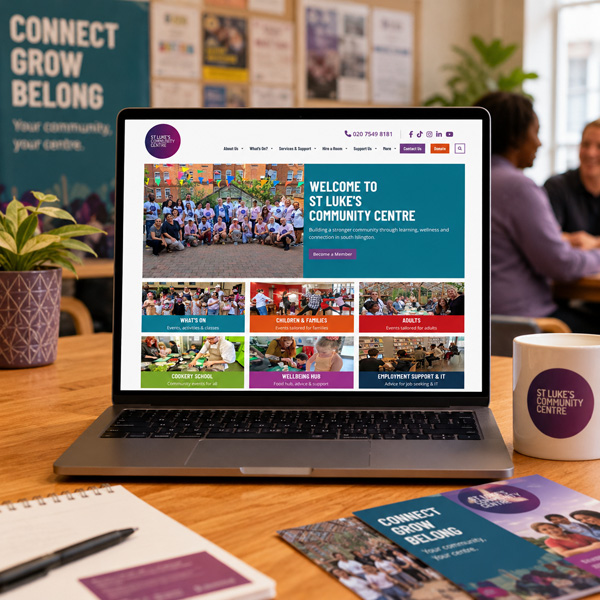

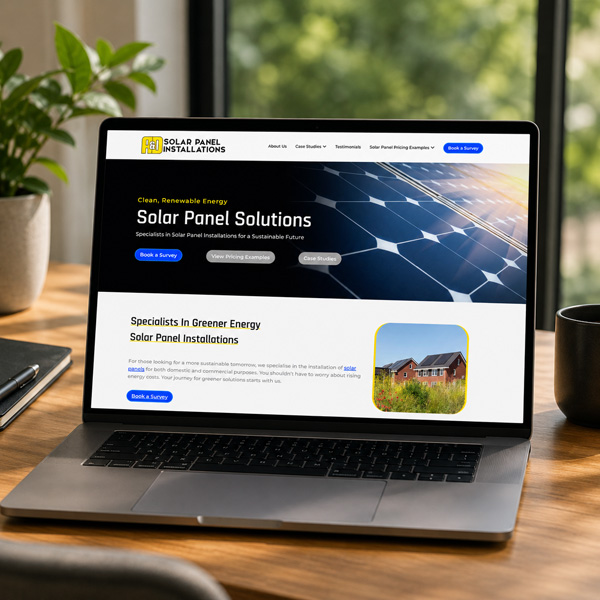

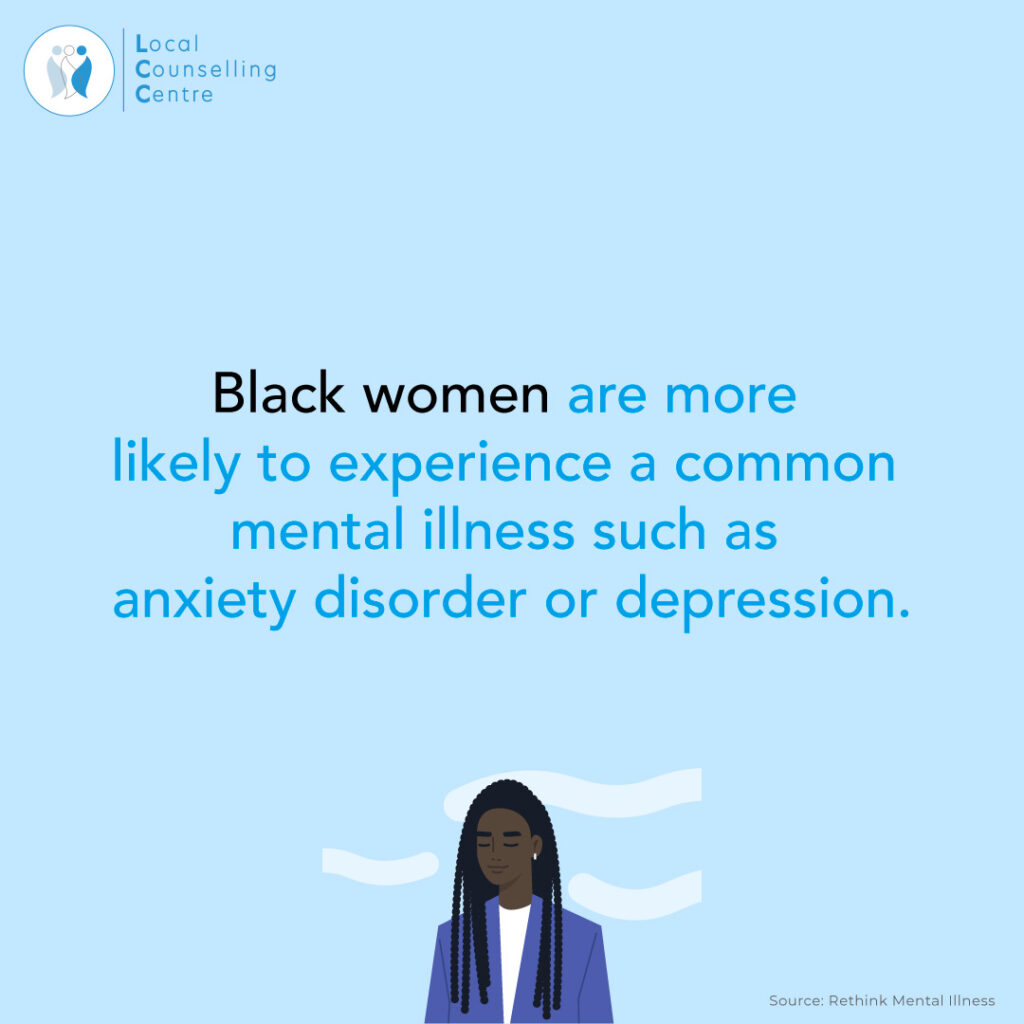
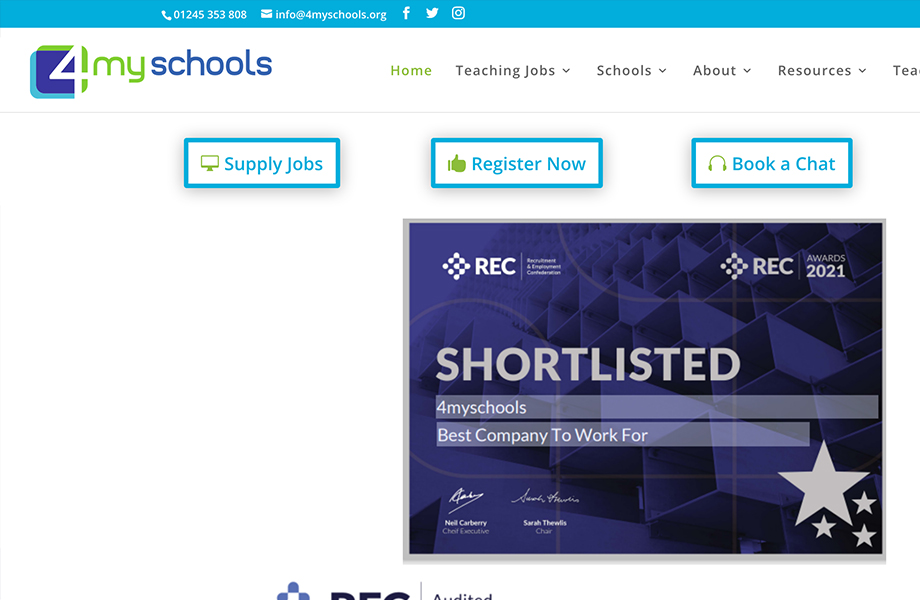
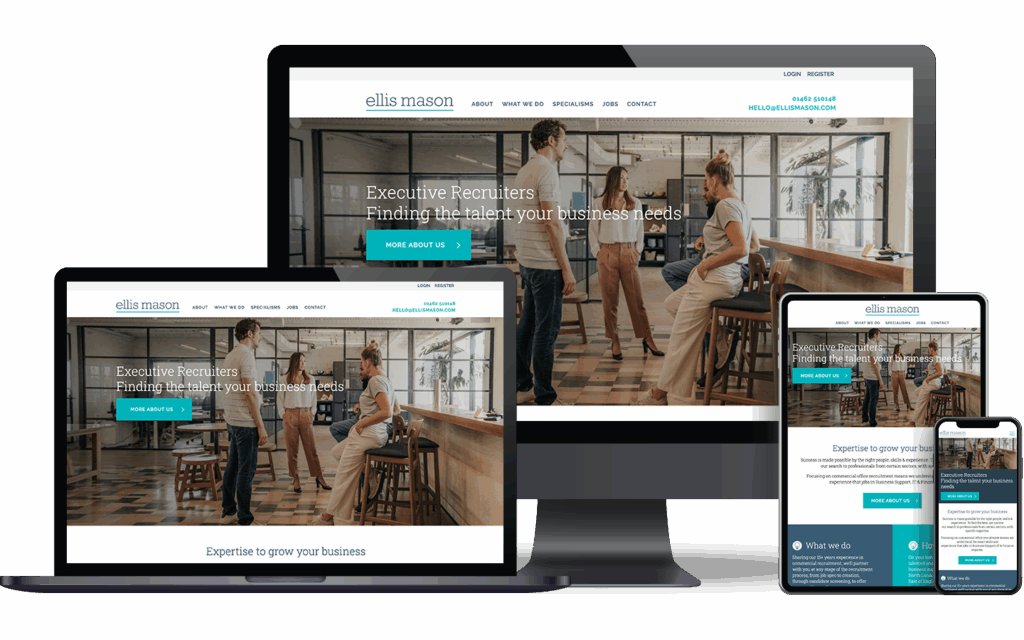
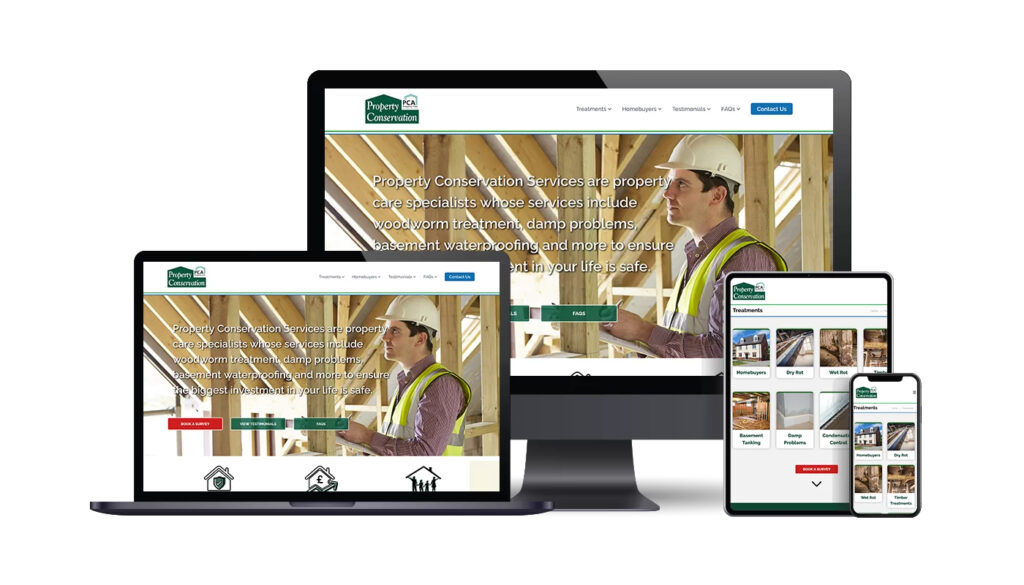
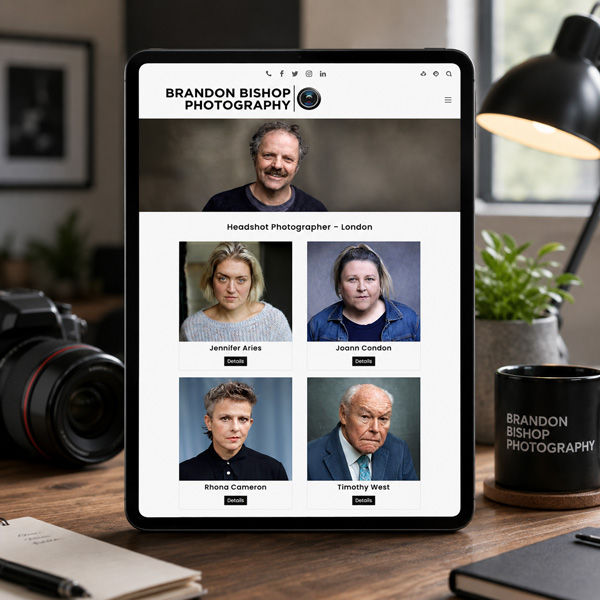

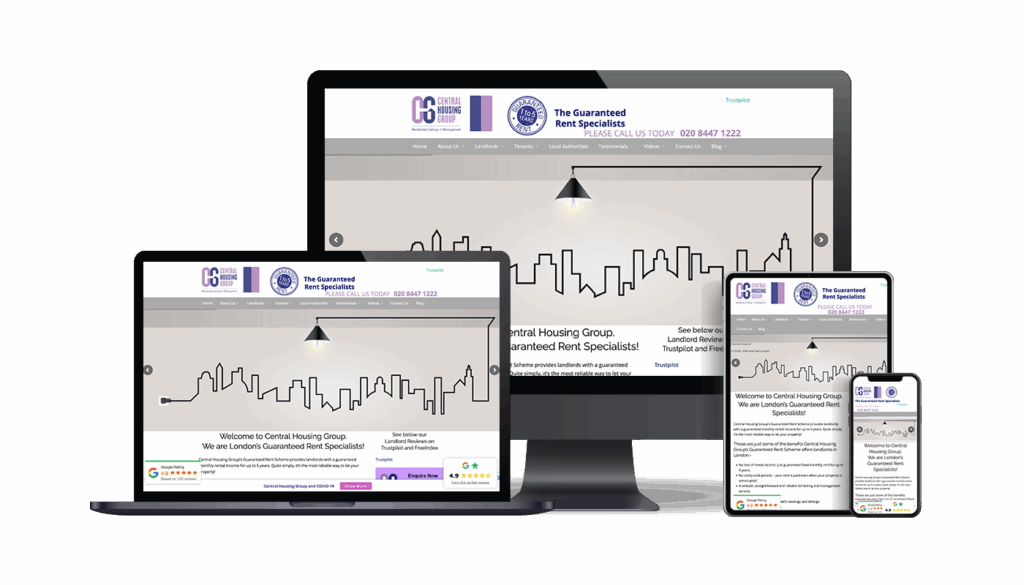

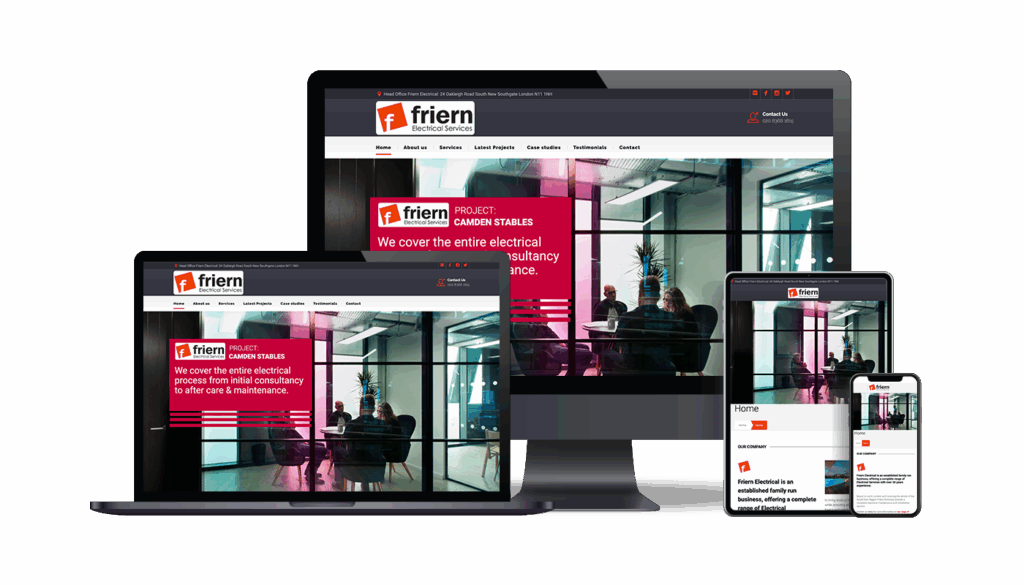

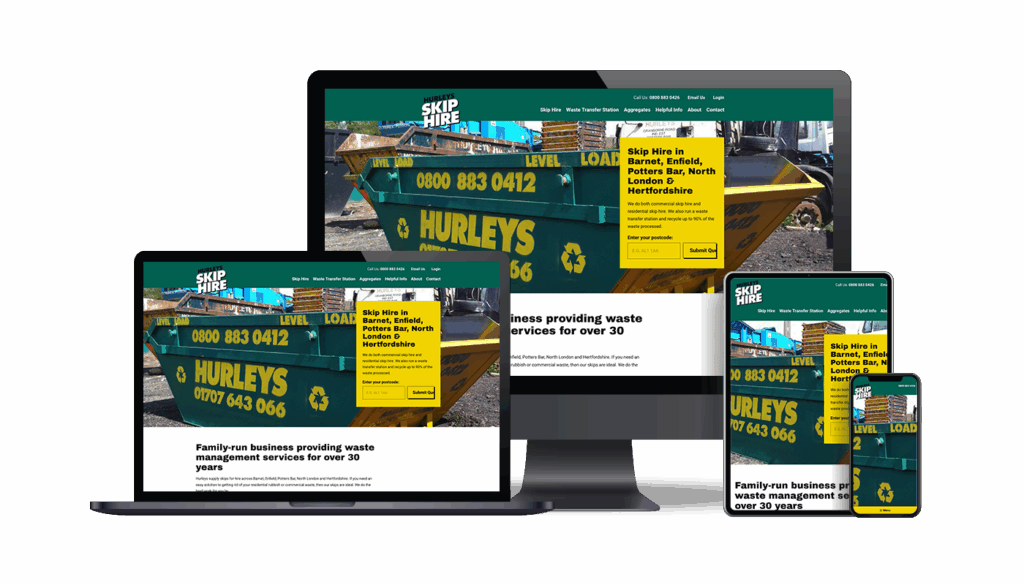

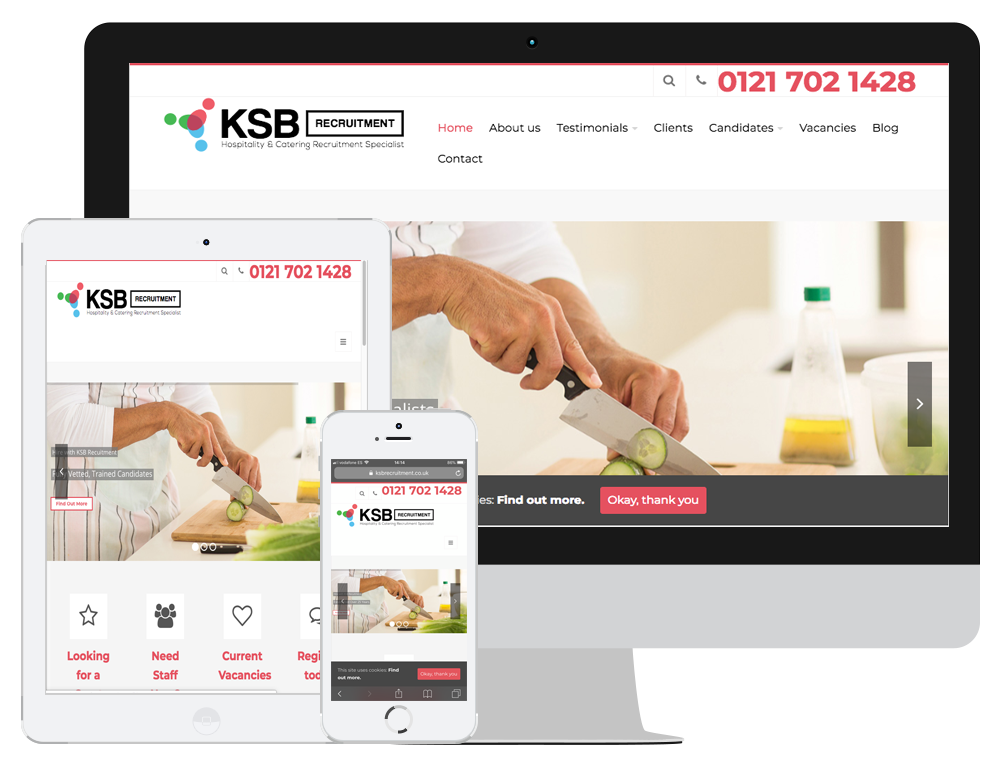
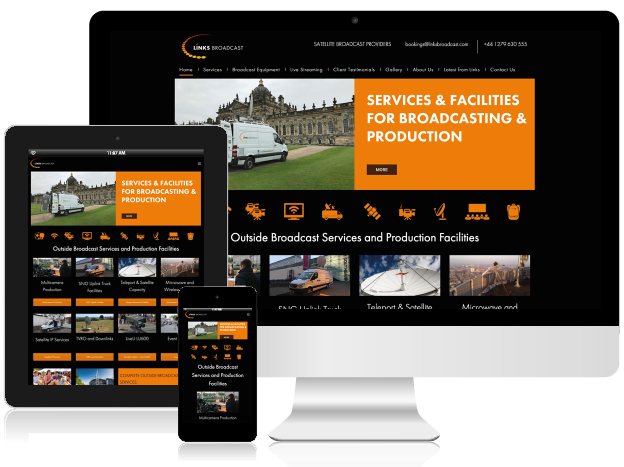

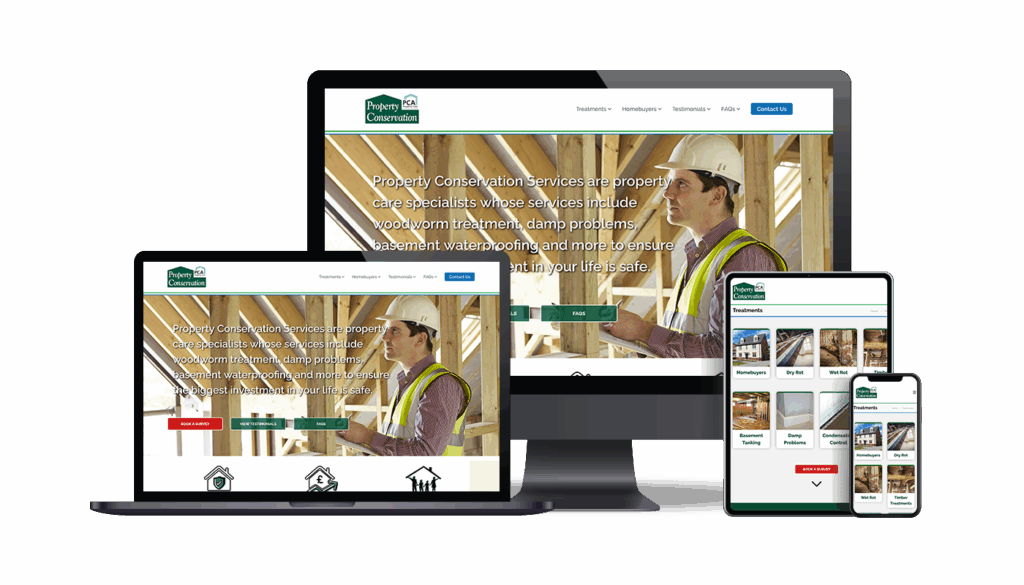

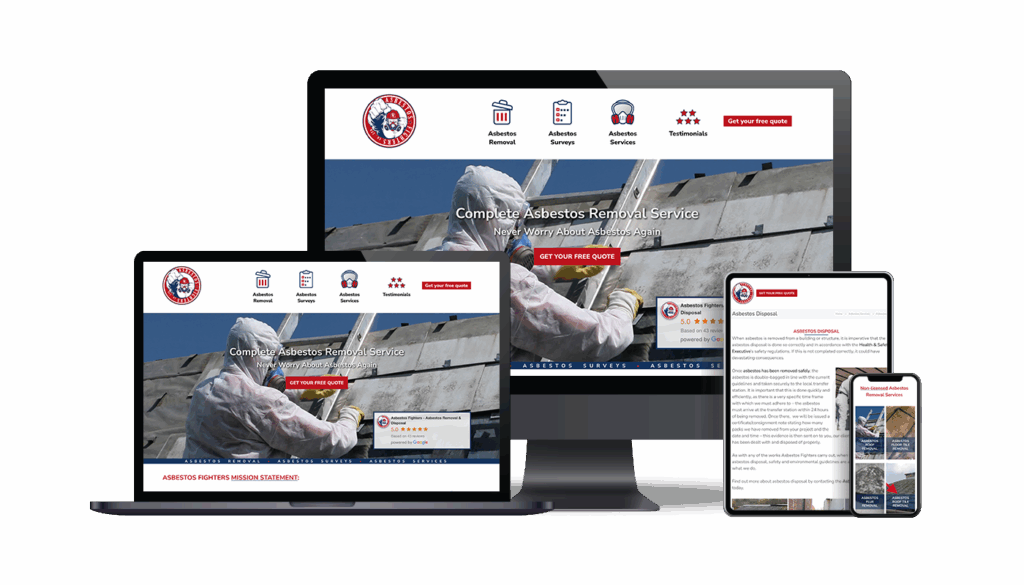

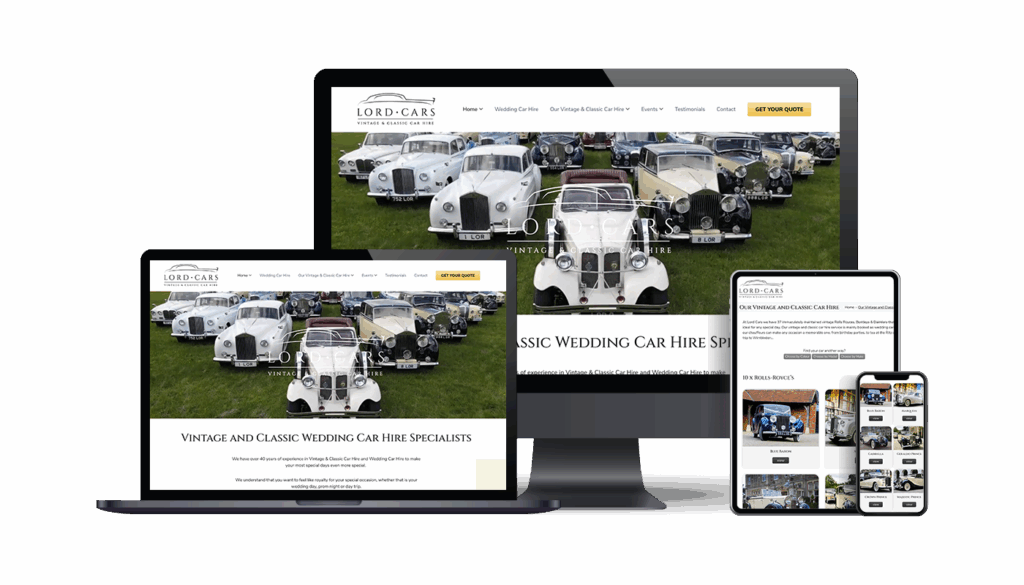

Testimonials / Reviews
-
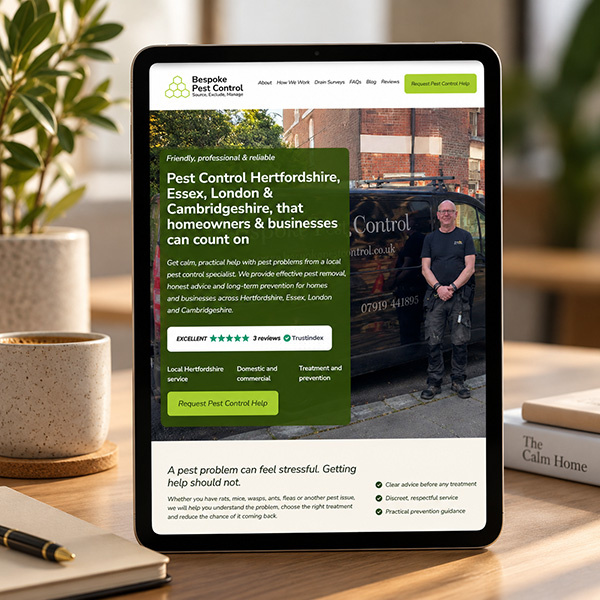
Had my website rebuilt, I wasn’t getting the traffic my business needed. The design process was clear, easy to understand and the support they gave was 100%. Very happy with the finished website and the continued support has been great. I would highly recommend them to anyone needing a new website or help with their current website.
Stephen Wales
Pest Control
-
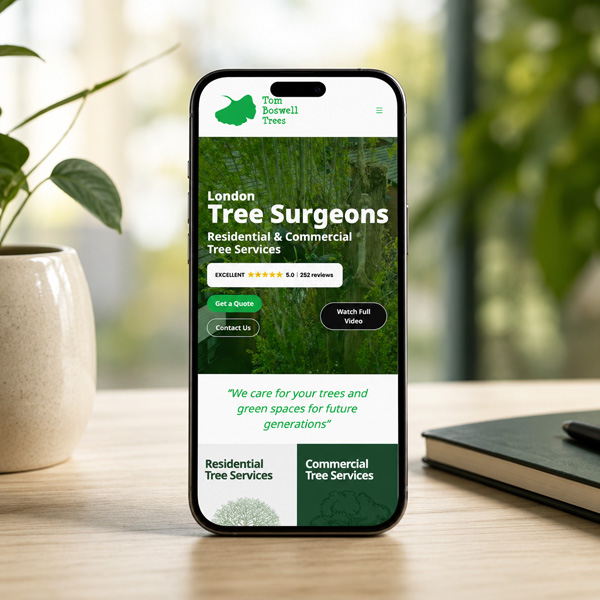
Brad and the team at Click Return have been managing our website, pay per click campaigns and marketing for many years now. They provide a fantastic service which is responsive, knowledgeable and tailored to our needs. We meet with them regularly and their customer care and attention to detail is second to none. 5/5 highly recommend!! Tom, Rob and the TB Trees team

Tom Boswell
Ealing
Tree Surgeon
-
After years of struggling to get a website project off the ground, Brad and the team at Click Return helped us finally bring everything together. Brad was knowledgeable, approachable, and took the time to explain not only the website process itself, but also the importance of SEO, user experience, and how to improve our visibility on Google. We’re pleased with the end result and, importantly, we’re already starting to generate enquiries through the website. It’s been a valuable step forward for our business, and we’re grateful to Brad for his guidance and support throughout the project.
Luke Trueman
St Albans
Smart Home Solutions

Why Choose Click Return

Experience
We have been helping our clients achieve online success for 20 years through paid advertising, Search Engine Optimisation and creating new websites. Our efforts have helped our clients generate a combined conversion value of over £250 million so you can be reassured we know what we are doing!
Trust
We are driven by the success of our clients, and sit regular Google exams to maintain our Google Partner status, ensuring all clients generate a big return! Don't just take our word for it though, we have plenty of client testimonials on our website which we encourage you to see.
Our Promise
At Click Return we are passionate about good marketing and believe all clients should make money online. That's why we promise quality digital marketing services that will actually make you money. We are confident about upholding this promise and don't believe in tying any client down to long term contracts.