
Get the Answers About Search Engine Optimisation
Frequently Asked Questions About Everything
We Do Websites
Frequently Asked Questions
Jump to…
Search Engine Optimisation
Good SEO practices, including optimised content, meta tags, and a user-friendly design, improve rankings. However, SEO is an ongoing effort that requires time and strategy. Indirectly, yes. Social media can drive traffic to your site, and increased traffic can lead to better rankings. Social shares and engagement also help with brand visibility and authority, which can positively impact SEO. Off-page SEO refers to activities done outside your website to improve its search engine rankings, mainly through backlinks, social media signals, and brand mentions. SEO, or Search Engine Optimisation, is the process of optimising your website to improve its visibility in search engine results. It’s important because higher visibility leads to more organic traffic, which can result in more leads, sales, and brand awareness. SEO content is content that is created with the intention of ranking in search engines. It involves researching keywords, understanding user intent, and creating high-quality, valuable content that answers the searcher’s queries. SEO content should be well-structured, informative, and include relevant keywords naturally. Generally, you can expect to see initial results within 3-6 months. However, it's important to view SEO as a long-term investment. Consistent efforts and patience are key to achieving sustainable results. A backlink is a link from another website to your own. Quality backlinks from authoritative websites improve your site's credibility and help improve search rankings. Meta tags are snippets of text that describe a page's content, such as meta titles and meta descriptions. They don’t appear on the page itself but help search engines and users understand the page’s content.
On-Page SEO
Content marketing focuses on creating valuable, relevant content to attract and engage a specific audience. Its goal is to build trust and credibility, which can lead to conversions or long-term customer relationships. On-page SEO refers to optimising individual web pages for keywords, including content quality, title tags, meta descriptions, headers, and internal linking. SEO content is content that is created with the intention of ranking in search engines. It involves researching keywords, understanding user intent, and creating high-quality, valuable content that answers the searcher’s queries. SEO content should be well-structured, informative, and include relevant keywords naturally. Meta tags are snippets of text that describe a page's content, such as meta titles and meta descriptions. They don’t appear on the page itself but help search engines and users understand the page’s content.
Local SEO
Local SEO helps your business appear in search results when people nearby are looking for your products or services. It increases visibility on Google Maps and local search listings, driving highly qualified leads who are ready to buy. Traditional SEO focuses on improving rankings nationally or globally, while Local SEO targets visibility in a specific geographic area. It’s ideal for businesses that rely on local customers or in-person visits. An optimised Google Business Profile increases your chances of appearing in Google’s local map pack. Completing your profile, adding photos, updating your hours, and responding to reviews all signal trust and relevance to Google. Extremely important. Positive, frequent reviews improve trust with both Google and potential customers. They can directly impact your local ranking and conversion rate. Consistent citations across reputable directories reinforce your business’s legitimacy and help Google confirm your location details, improving your ranking in local searches. Google prioritises proximity, relevance, and prominence. This includes your business’s physical location, website optimisation, reviews, backlinks, and overall online authority. At least once a month. Regular updates – such as new photos, posts, and offers – signal to Google that your business is active and trustworthy, helping you maintain higher rankings.
Technical SEO
An XML sitemap is a file that lists all of the pages on your website and helps search engines crawl and index them more effectively. Mobile SEO ensures your website is optimised for users on smartphones and tablets. With mobile-first indexing, Google predominantly uses the mobile version of your site for ranking. A 404 error means a webpage is not found. Multiple 404 errors can lead to poor user experience and negatively impact SEO. It's important to fix or redirect broken links. Technical SEO involves optimising the website's backend structure, like improving page speed, mobile-friendliness, XML sitemaps, schema markup, and fixing crawl errors to help search engines index your site efficiently.
The Frustrations Holding Your Business Back
Feeling Invisible Online
You’ve built a great business but when potential customers search online, they find your competitors instead of you. Whether you’ve tried marketing before and just wasted money, or you’re not sure where to start, watching others get the customers that should be yours is frustrating.
Uncertainty About Where to Begin
Online marketing is very complex and can feel overwhelming. There are so many platforms, strategies, and conflicting advice that it’s hard to know what’s right for your business. This uncertainty causes inaction or low commitment that rarely delivering the desired results.
Wasting Money on poor Marketing
For those who have tried marketing before, there’s nothing more discouraging than investing your money into campaigns that doesn’t bring any customers. Each disappointing result makes it harder to justify trying again, even though you know online visibility is essential for growth.
Now Imagine These Achievable Goals For Your Business
Being Found When Customers Are Looking
Imagine customers finding your business when they need your service. They search for services like yours, and there you are, at the top of Google, not buried on page ten. This is as simple as connecting with the customers when they need you.
Growing at a Pace That Works for You
Picture your business growing steadily, with a consistent flow of new customers at a pace you can manage. You control your marketing so you can stop overwhelming surges or disappointing droughts. Just predictable results that align with your growth targets.
Feeling Confident in Your Marketing Decisions
Envision running your business with the peace of mind that comes from knowing your marketing is working. No wondering if you’re wasting money. Instead, you get clear reports showing what’s working, what isn’t. We’ll even meet with you regularly to explain the results and together find the richest seams of gold within your marketing.
Our Digital Marketing Services
Strategic digital marketing services that deliver real results for small businesses. Each option below is designed to increase your visibility where it matters most and turn that visibility into growth for your business.
Web Design
Responsive wordpress website design that will look great and are easy for customers to navigate.
SEO
It’s not rocket science to rank high on Google organically. It just takes time & effort to insert the right words in the right places the right number of times, while making your SEO content read naturally.
Paid Marketing
Google ads allows you to instantly buy new traffic. We ensure that you are buying the right customers for the right price so you can make achieve your goals.
Tracking & Web Analytics
Google ads allows you to quickly buy new customers. The challenge is buying the right customers for the right price so you can still make a profit.
Social Media
Grow your brands awareness organically while building on your brands trust with social media will help deliver a higher return from all your marketing channels.
Here’s Your Clear Path to Growth
1.
It Starts with A Chat About Your Business
We start by listening to you. In a free, no pressure consultation, we’ll learn about your business, your customers, and your growth goals. This helps us understand exactly what you need – whether you’re new to marketing or have tried it before.
2.
Get a Simple, Practical Marketing Plan
Based on our conversation, we’ll create a straightforward marketing plan that makes sense for your business size and goals. We’ll explain everything in plain language, so you’ll know exactly what we’re doing and why it matters for your growth.

3.
Watch Your Business Grow
As your plan takes effect, you’ll start seeing more website visitors, more inquiries, and most importantly, more customers. We’ll provide regular, easy-to-understand reports so you can see exactly how your investment is paying off.
Ready for More Leads.
More Sales. Less Stress?
Struggling to get consistent enquiries? We’ve helped businesses just like yours drive more traffic, leads, and sales.
Case Studies
-
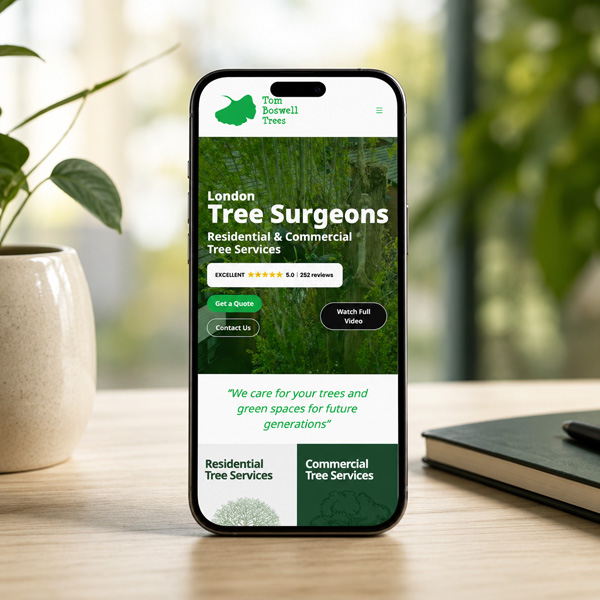
Total overhaul of website, new modern design
Tom Boswell Trees
Tom Boswell
•
Tree Surgeon
The Overview Tom Boswell Tree Services approached Click Return to create a new website that better reflected the professionalism, experience and reputation of their established tree surgery business. The company…
-
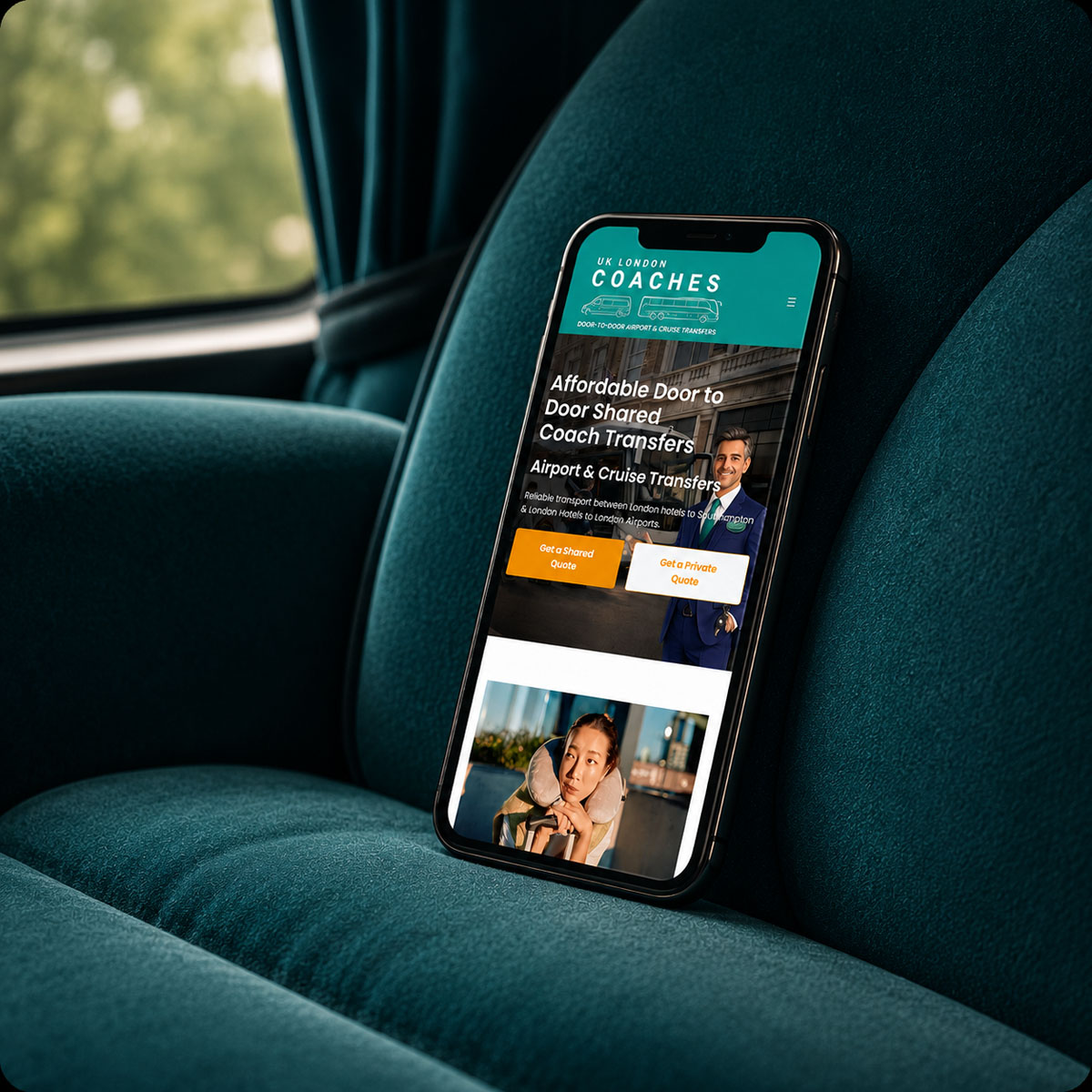
New Design for new coach travel
UK London Coaches
Adam Silver
•
Coach Travel
The Overview: UK London Coaches is a specialist transport business providing shared and private door-to-door transfers between London, Southampton, Heathrow Airport, hotels and major cruise terminals. The company approached Click…
-
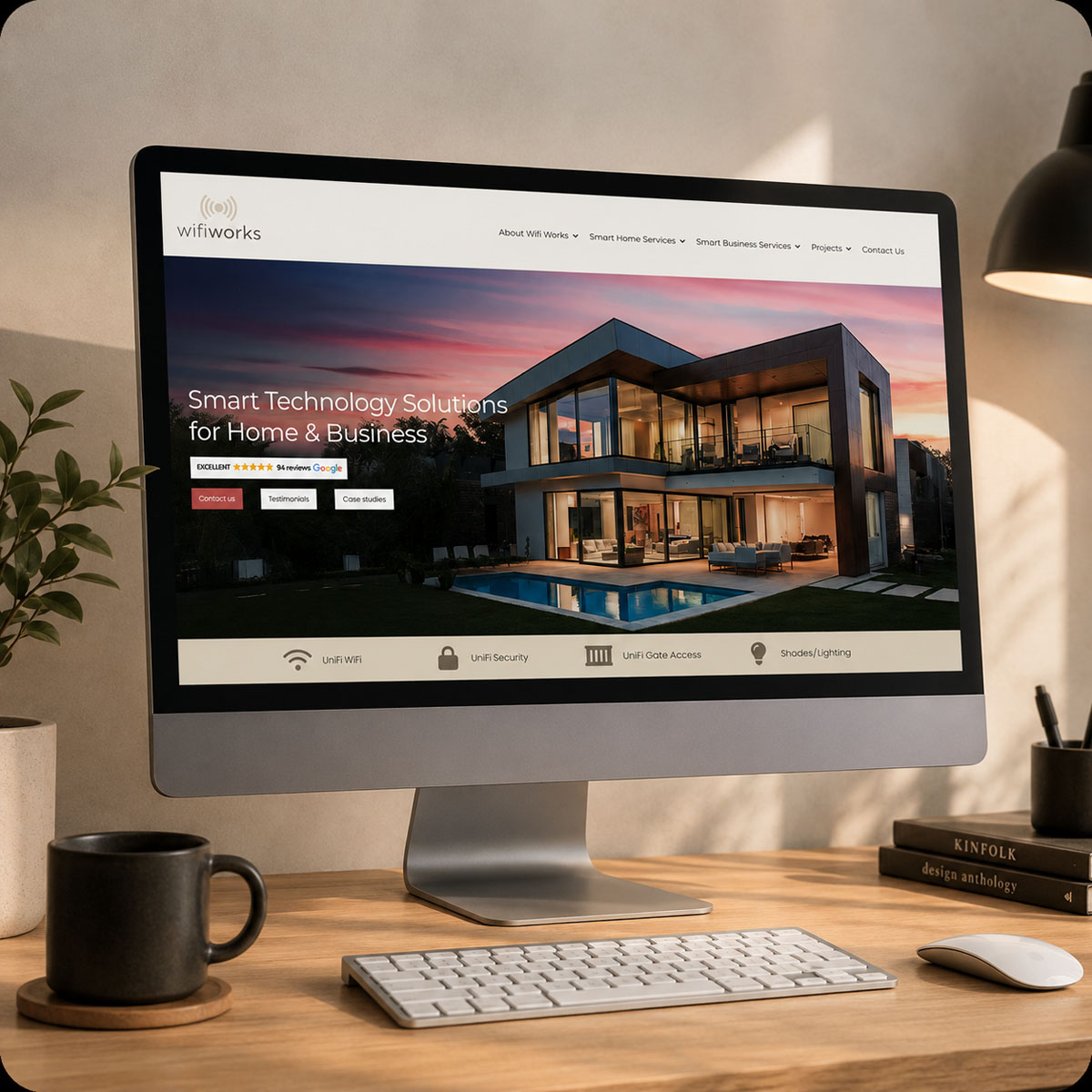
Fresh design for a new direction
Wifi Works
Luke Trueman
•
Smart Home Solutions
The Overview: WiFiworks is a specialist technology installation business providing Wi-Fi, networking, smart home and workspace technology solutions for homeowners, businesses, architects and property developers. The company approached Click Return…
-
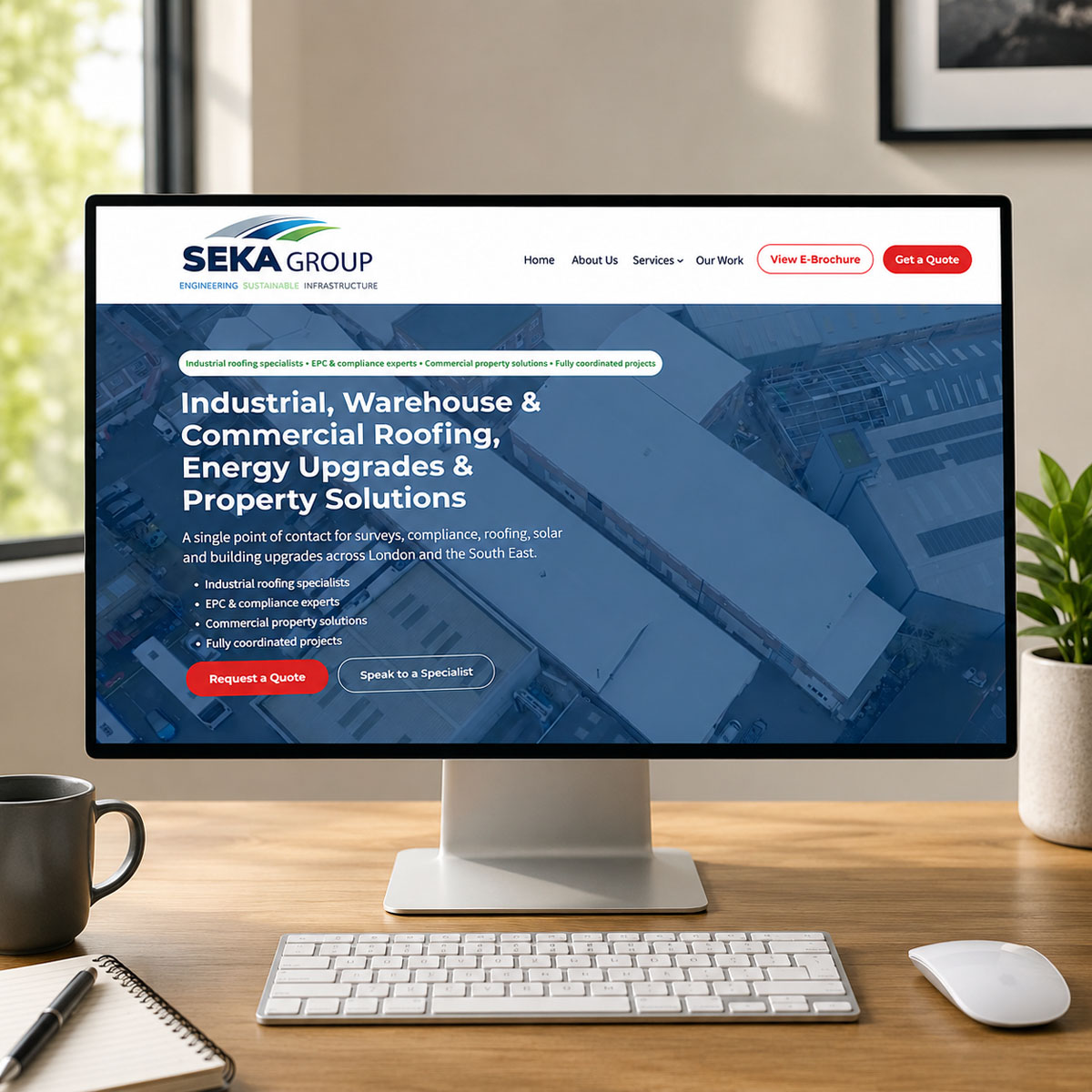
New Business Website Launch
SEKA Group
Rafal Karys & Mark Seaton
•
Industrial Roofing, Energy Upgrades & Commercial Property Solutions
SEKA Group is a new commercial property services business created to help industrial and commercial property owners manage building upgrades, roofing, compliance
Testimonials / Reviews
-
Brad and the team at Click Return have been managing our website, pay per click campaigns and marketing for many years now. They provide a fantastic service which is responsive, knowledgeable and tailored to our needs. We meet with them regularly and their customer care and attention to detail is second to none. 5/5 highly recommend!! Tom, Rob and the TB Trees team
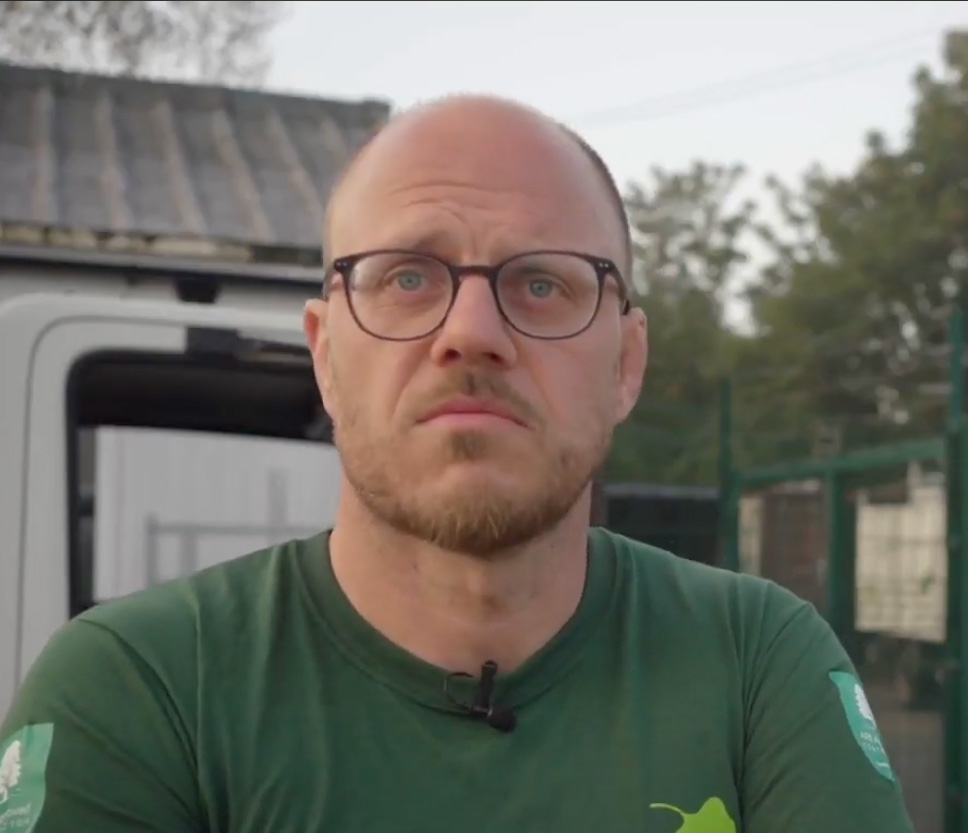
Tom Boswell
Ealing
Tree Surgeon
-
After years of struggling to get a website project off the ground, Brad and the team at Click Return helped us finally bring everything together. Brad was knowledgeable, approachable, and took the time to explain not only the website process itself, but also the importance of SEO, user experience, and how to improve our visibility on Google. We’re pleased with the end result and, importantly, we’re already starting to generate enquiries through the website. It’s been a valuable step forward for our business, and we’re grateful to Brad for his guidance and support throughout the project.
Luke Trueman
St Albans
Smart Home Solutions
-
I dipped my toe in the water with Brad with the SEO of my previous website and later hired Click Return to also handle my Google Adwords. When I was ready to update my website they were the natural choice to create it. Brad advised on a WordPress template site that gave me the look I wanted but without the high costs of a bespoke site. I don’t think that anyone ever realises that it isn’t a bespoke site. I have had so many compliments from prospective clients about the website telling me that’s the reason they picked up the phone. I like to think some of that is the photographs of my work! However, I know it’s also to do with the way the site looks and functions. In it’s first year it brought a return that was many times my investment and it has done so every year since. The Click Return team have helped us learn to add to and change the website in house. This gives us control of the basic every day maintenance and means we only need to get the “big guns” in for the hard stuff. In regular phone/on-line meetings Brad advises and guides us with SEO and Adwords so things keep going the way that we need them to. Thanks Brad and Click Return.

Sam Coles
Leighton Buzzard
Lighting Designer

Why Choose Click Return
Experience
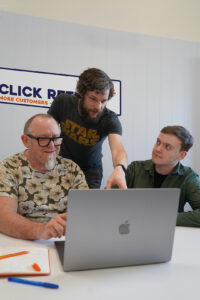
We have been helping our clients achieve online success for 20 years through paid advertising, Search Engine Optimisation and creating new websites. Our efforts have helped our clients generate a combined conversion value of over £250 million so you can be reassured we know what we are doing!
Trust
We are driven by the success of our clients, and sit regular Google exams to maintain our Google Partner status, ensuring all clients generate a big return! Don't just take our word for it though, we have plenty of client testimonials on our website which we encourage you to see.
Our Promise
At Click Return we are passionate about good marketing and believe all clients should make money online. That's why we promise quality digital marketing services that will actually make you money. We are confident about upholding this promise and don't believe in tying any client down to long term contracts.